
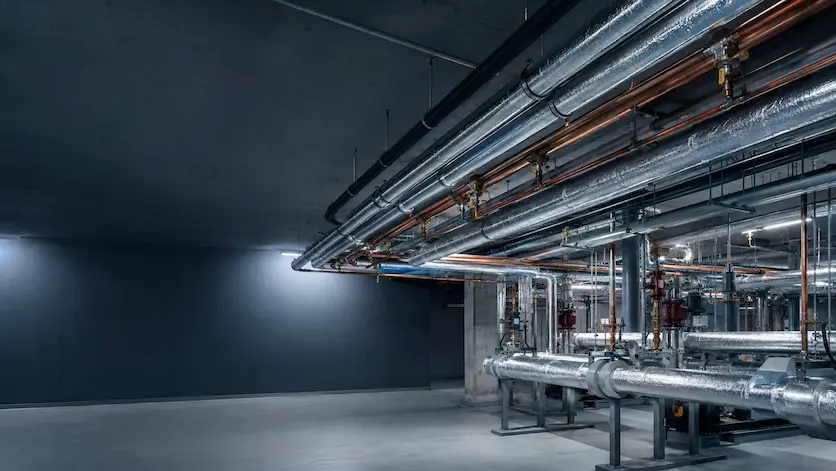
A commercial plumbing loop system circulates hot water continuously through a building’s piping so fixtures far from the water heater still get hot water fast, instead of running cold for a minute or more. You’ll find these systems in multi-story offices, apartment buildings, hotels, and any commercial property with long pipe runs. Elite Mechanical Services works on loop systems across Lacey, Olympia, and the South Sound, and one thing shows up again and again: a loop that’s out of balance usually stays invisible until a tenant complains.
How a Plumbing Loop Actually Works
In a standard setup, hot water travels one direction from the heater to a fixture, and the water sitting in that pipe cools off between uses. A loop system solves that by running a return line back to the water heater. A small pump keeps water moving through the entire loop around the clock, so hot water is always somewhere close to every fixture on the line.
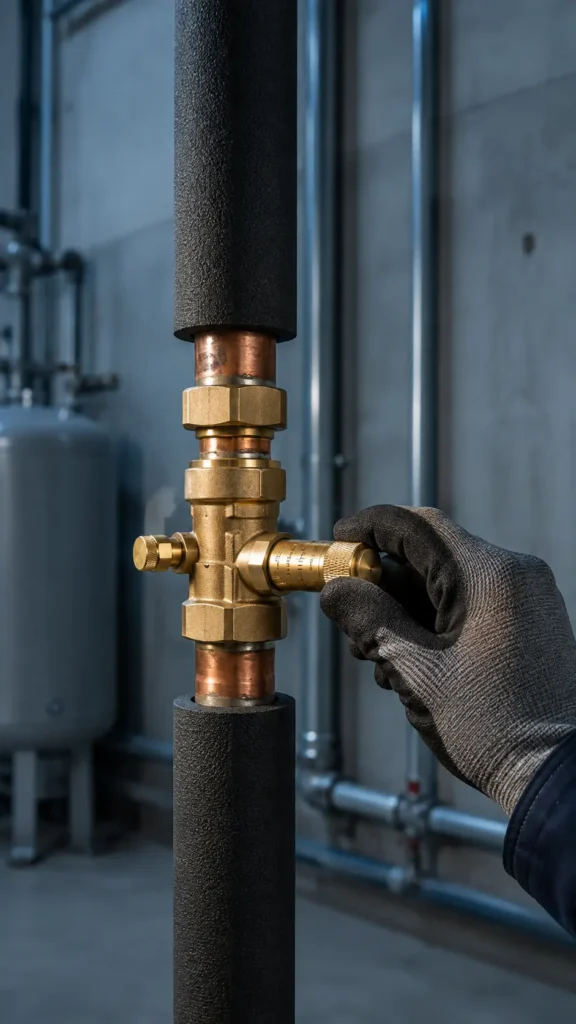
Balancing valves sit at different points along the loop. Their job is to control how much flow goes to each branch. Without them, the branches closest to the pump get most of the flow, and the branches farthest away get the leftovers.
Why Balancing Matters
An unbalanced loop creates two problems at once. Fixtures near the pump can run hot enough to scald. Fixtures at the far end run lukewarm, no matter how long someone waits. Tenants notice the second problem immediately. They rarely notice the first one until someone gets hurt.
Balancing also affects utility costs. A pump working against an unbalanced system runs longer and harder than it needs to. That shows up on the water heating bill every month, not just once.
Legionella Risk and Why Loop Maintenance Isn't Optional
Hot water loops that don’t maintain consistent temperature create conditions where Legionella bacteria can grow, particularly in larger buildings with complex piping. This is why ASHRAE Standard 188 exists — it sets the framework building owners use to manage that risk in commercial water systems. Hotels, healthcare facilities, and larger multi-tenant properties are held to this standard most closely, but any commercial loop benefits from the same discipline: consistent temperature, regular flow, and periodic testing.
Skipping loop maintenance doesn’t just risk a comfort complaint. It risks a health and liability issue that’s far more expensive to fix after the fact.
Signs Your Building's Loop System Needs Attention
A few warning signs point to a loop that needs a professional look:
Inconsistent hot water temperature between fixtures on the same floor is the most common complaint facility managers hear about first. A pump that’s noticeably louder than it used to be, or that cycles on and off more than normal, is often a sign it’s fighting an imbalance. Rising water heating costs without a clear explanation deserve a second look at the loop, not just the water heater itself. Rust-colored water or reduced pressure at specific fixtures can point to corrosion inside older loop piping, which is common in buildings built before the 1990s.
None of these signs mean the whole system needs replacing. Most loop problems come down to valve adjustment, not a full re-pipe.
Loop Systems in Older South Sound Buildings
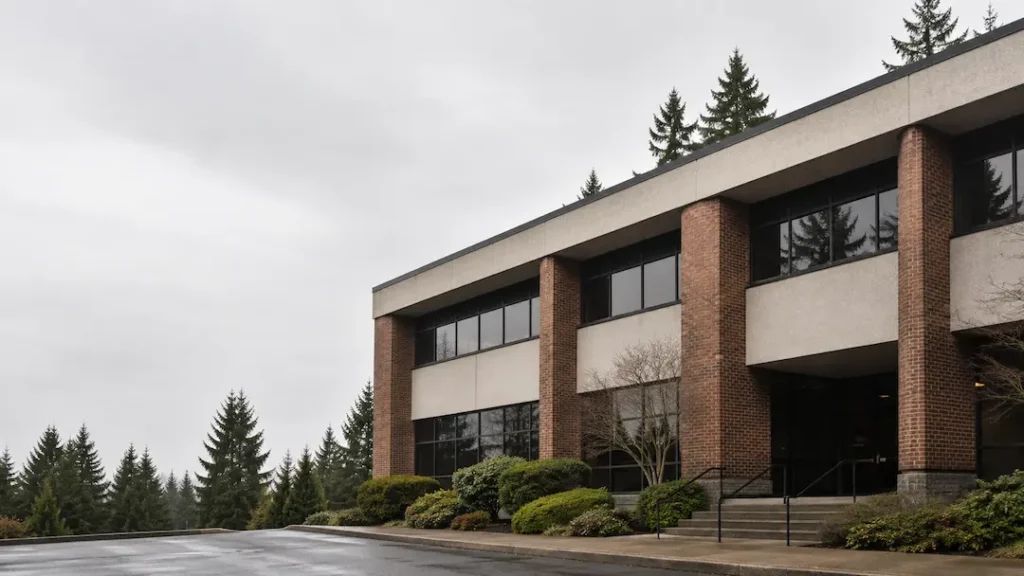
Thurston County has a meaningful number of commercial buildings from the 1970s through the 1990s, particularly in downtown Olympia and older institutional and government properties around Lacey and Tumwater. Many of these buildings still run on the original loop piping and balancing valves installed decades ago. A system that was balanced correctly at installation drifts out of tolerance over time as valves wear and building usage patterns change. If your property falls into that age range and no one can recall the last time the loop was actually tested and rebalanced, that’s worth checking before it becomes a tenant complaint.
If any of this sounds familiar, a proper inspection is the next step, not a guess. Elite Mechanical Services provides commercial plumbing services for facilities across the region, including loop testing, balancing, and repair for buildings of every age. Call (360) 489-0717 to get a technician out to look at the system directly.
Frequently Asked Questions
How often should a commercial plumbing loop be rebalanced?
Most commercial loops benefit from a balance check every one to two years, or sooner if tenants report inconsistent hot water. Buildings with heavy usage, like hotels or multi-tenant residential properties, generally need more frequent checks than a standard office building.
Can a loop system be repaired without shutting off water to the whole building?
In most cases, yes. Balancing valve adjustments and localized repairs can usually be done zone by zone, so the rest of the building keeps running hot water while one section is serviced.
Is a plumbing loop the same thing as a recirculation pump?
The recirculation pump is one part of the loop system, not the whole thing. The loop includes the pump, the return piping, and the balancing valves working together. A building can have a working pump and still have a poorly balanced loop.
Does every commercial building need a loop system?
No. Smaller buildings with short pipe runs often don’t need one, since the wait for hot water at the fixture is already minimal. Loop systems make the most sense in larger or multi-story properties where distance from the water heater would otherwise mean a long wait for hot water.
Elite Mechanical Services handles commercial plumbing loop testing, balancing, and repair for properties across Lacey, Olympia, and the surrounding South Sound. If your building’s hot water feels inconsistent from floor to floor, that’s usually a loop problem, not a water heater problem, and it’s worth a real diagnosis before anything gets replaced. Elite Mechanical Services offers site visits for facility managers who want a straight answer on what’s actually happening in the system. Call (360) 489-0717 or request a quote through our commercial mechanical services page.